Morocco Man: Moroccan Men, Culture, Clothing & Daily Life
Discover the culture and traditions of Moroccan men. Learn about traditional clothing, family life, languages, hospitality, and modern lifestyles in Morocco.
From the historic streets of Marrakech and Fez to the Atlas Mountains and Sahara Desert, explore the diversity of Moroccan people.
Explore Moroccan Culture Discover Private Morocco Tours Understanding MoroccoMorocco Man: Who Are Moroccan Men?
A Moroccan man is a male person from Morocco, a North African country known for its diverse languages, cultures, and historical traditions.
Moroccan men come from many different backgrounds. Their identities reflect Arab, Amazigh, Saharan, African, Mediterranean, and other cultural influences.
In addition, Moroccan men live in a wide range of environments. Some live in busy cities, while others live in mountain villages, coastal towns, or desert communities.
Therefore, there is no single way to describe the personality, lifestyle, or appearance of a Moroccan man. Experiences vary according to family, region, age, education, and personal choices.
Today, Moroccan men work in many fields. These include tourism, agriculture, business, education, technology, traditional crafts, and public services.
As a result, Moroccan society combines long-established cultural traditions with contemporary lifestyles.
Quick Cultural GuideMoroccan Men: Key Facts and Cultural Background
Nationality A Moroccan man is a male national or person from Morocco. Languages Moroccan Arabic, known as Darija, and Amazigh languages are widely used. French and other languages are also spoken. Traditional Clothing Traditional garments include the djellaba, gandoura, jabador, and different forms of regional headwear. Religion and Society Islam is the majority religion in Morocco. However, Moroccan identities and personal religious practices vary. Family and Community Family connections and hospitality are important in many Moroccan communities. Modern Lifestyle Moroccan men participate in contemporary professional, cultural, and social life.Cultural IdentityEl guía perfecto
Es una persona muy amable, atenta y servicial. Gracias a él nuestra experiencia por Marruecos ha sido muy buena ya que el nos ha explicado muchas cosas muy interesantes que por nuestra cuenta no lo habríamos llegado a saber.…
Moroccan Men’s Culture and Traditions
Moroccan culture has developed through centuries of historical exchange. Consequently, Moroccan men’s traditions reflect different regional influences.
Arab and Amazigh Cultural Heritage
Arab and Amazigh cultures are central to Morocco’s history. Their languages, music, architecture, and customs remain important today.
For example, Amazigh communities have distinctive regional traditions. These can be seen in celebrations, crafts, clothing, and local languages.
Family Life in Morocco
Family relationships are important in many Moroccan households. Relatives often maintain close contact and gather for meals and celebrations.
However, family structures and expectations differ between individuals and communities. Urban and rural experiences can also vary.
Moroccan Hospitality
Hospitality is a well-known part of Moroccan social life. Guests may be welcomed with mint tea, traditional pastries, or a shared meal.
Moreover, social gatherings often provide opportunities for conversation and community connection.
Religion and Everyday Life
Islam has a significant influence on Moroccan history and public culture. Religious holidays and traditions are visible throughout the country.
Nevertheless, individual beliefs and religious practices are personal. They should not be assumed from someone’s nationality or appearance.
Fashion & HeritageTraditional Moroccan Men’s Clothing
Moroccan men’s traditional clothing reflects regional craftsmanship, cultural heritage, and practical design.
Although modern clothing is common, traditional garments remain popular for celebrations, religious occasions, and everyday use among some people.
Traditional GarmentMoroccan Djellaba for Men
The djellaba is a long, loose-fitting robe. It usually has long sleeves and a pointed hood.
Men may wear a djellaba during daily activities, religious occasions, or family celebrations.
In addition, fabric and thickness can vary according to the season.
Traditional OutfitMoroccan Gandoura
The gandoura is a loose traditional garment. Styles vary across Morocco and the wider North African region.
It is often associated with comfort, warm weather, and traditional dress.
Formal ClothingMoroccan Jabador
The jabador is a traditional outfit that often includes a tunic and matching trousers.
It is commonly worn at weddings, religious celebrations, and other special occasions.
Traditional FootwearMoroccan Babouche Slippers
Babouche slippers are traditional Moroccan leather shoes. They are available in many colors and regional designs.
Men may wear them with a djellaba or other traditional clothing.
Regional StyleMoroccan Men’s Headwear
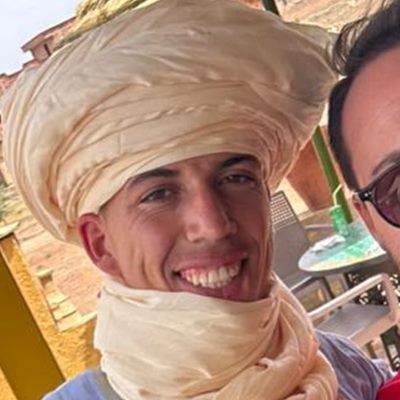
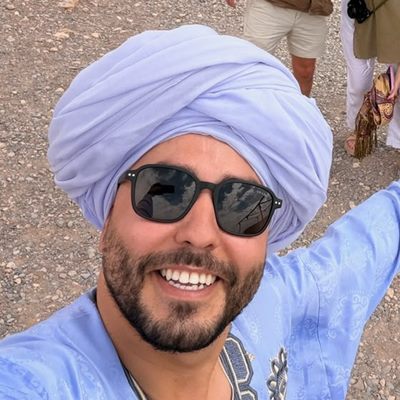
Traditional headwear includes the fez, or tarboosh, as well as regional caps and turbans.
However, styles vary by region, occasion, and personal preference.
Modern FashionModern Moroccan Men’s Fashion
Today, many Moroccan men wear jeans, shirts, jackets, suits, and contemporary sportswear.
Furthermore, modern designers often combine traditional details with contemporary fashion.
Everyday LifeWhat Is Daily Life Like for Men in Morocco?
Daily life for Moroccan men depends on their location, occupation, family responsibilities, and interests.
Life in Moroccan Cities
Cities such as Casablanca, Rabat, Marrakech, Tangier, and Fez offer diverse professional opportunities.
Many residents work in offices, shops, restaurants, technology companies, education, and other industries.
Meanwhile, cafés, sports facilities, and cultural events are common parts of urban social life.
Life in Rural Morocco
In rural regions, some families work in agriculture, livestock farming, local crafts, or tourism.
For example, mountain communities may depend partly on farming and seasonal economic activities.
However, rural Morocco is changing. Education, transport, and digital services continue to influence everyday life.
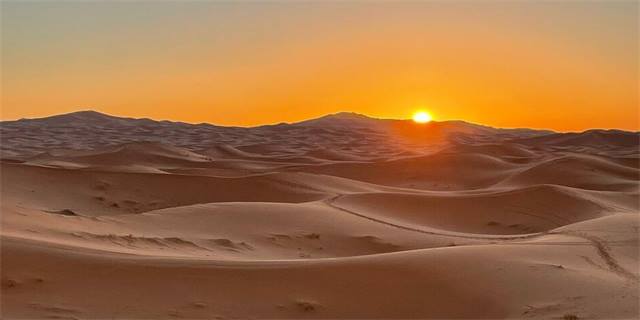
Life in the Sahara Desert
Communities in southern Morocco have cultural traditions shaped by desert environments and trade history.
Today, residents work in tourism, business, agriculture, and many other fields.
In addition, desert music, regional clothing, and hospitality remain important cultural expressions.
Language & CommunicationWhat Languages Do Moroccan Men Speak?
Morocco is a multilingual country. Arabic and Amazigh are official languages.
Moroccan Arabic, commonly called Darija, is widely used in everyday conversation.
In addition, many people speak one or more Amazigh languages, including Tashelhit, Central Atlas Tamazight, and Tarifit.
French is also widely used in parts of business and education. Meanwhile, Spanish and English are spoken by some Moroccans.
Useful Moroccan Arabic Greetings
Salam: Hello or peace.
Labas? How are you?
Shukran: Thank you.
Afak: Please.
Bslama: Goodbye.
Learning a few local expressions can make travel experiences more enjoyable and respectful.
People & Regional DiversityMoroccan Men Across Different Regions
Morocco’s regional diversity is one of its defining characteristics. Therefore, cultural experiences can differ from one destination to another.
MarrakechMen in Marrakech
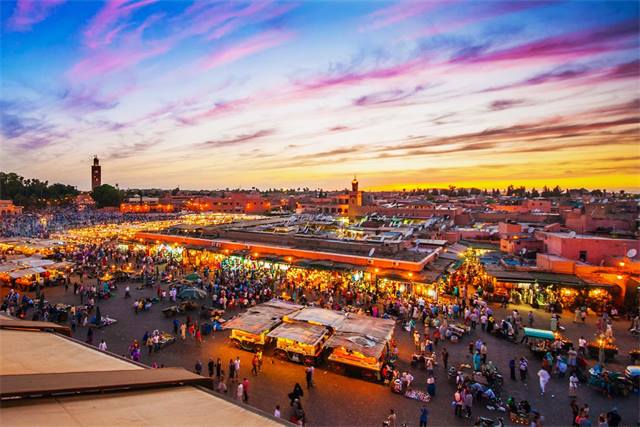
Marrakech is known for its historic medina, traditional markets, craftsmanship, and tourism industry.
Visitors can meet artisans, shopkeepers, guides, and people from many backgrounds.
FezMen in Fez
Fez is famous for its historic crafts, traditional architecture, and educational heritage.
Local workshops preserve skills such as leatherworking, pottery, and metal craftsmanship.
CasablancaMen in Casablanca
Casablanca is Morocco’s major commercial and economic center.
Its residents work across finance, trade, technology, industry, and creative sectors.
Atlas MountainsMen in the Atlas Mountains
Atlas Mountain communities preserve diverse Amazigh traditions.
Local culture includes music, craftsmanship, regional languages, and mountain hospitality.
Sahara DesertMen in the Moroccan Sahara
Southern Morocco is home to communities with distinct desert and oasis traditions.
Travelers can learn about regional music, food, architecture, and desert life.
Northern MoroccoMen in Tangier and Northern Morocco
Northern Morocco has strong Mediterranean cultural connections.
Its traditions reflect Amazigh, Arab, Andalusian, and wider regional influences.
Food & Social TraditionsMoroccan Men, Food and Social Life
Food plays an important role in Moroccan family and community life. Shared meals often bring relatives and friends together.
Traditional Moroccan Dishes
Popular Moroccan dishes include tagine, couscous, harira, tanjia, and pastilla.
However, regional recipes differ. For example, Marrakech is especially associated with tanjia.
Moroccan Mint Tea
Mint tea is an important symbol of hospitality in Morocco. It is commonly served during social visits and gatherings.
In addition, tea preparation can be part of welcoming guests.
Sports and Leisure
Football is one of Morocco’s most popular sports. Many people follow local clubs and the national team.
Other activities include hiking, running, cycling, surfing, and various community sports.
Travel EtiquetteHow to Interact Respectfully With Moroccan People
Meeting local people can be one of the most rewarding parts of traveling in Morocco.
However, respectful communication is important in every destination.
Use Friendly Greetings
A simple greeting such as “Salam” is widely understood. It can help begin a polite conversation.
Ask Before Taking Photographs
Always request permission before photographing individuals. This is especially important in markets and residential neighborhoods.
Respect Personal Boundaries
Social expectations differ between individuals and situations. Therefore, avoid making assumptions about someone’s beliefs or preferences.
Support Local Businesses
Buying authentic local products and using responsible local services can support community livelihoods.
For example, visitors can explore traditional workshops and markets with knowledgeable local guides.
Discover Authentic MoroccoMeet Moroccan People on a Private Morocco Tour
Experience Moroccan culture through historic cities, local traditions, traditional markets, and scenic landscapes.
At Package Morocco, we organize private tours across the country. Our itineraries can combine cultural sightseeing with local experiences.
For example, travelers can visit the historic medinas of Marrakech and Fez, explore the Atlas Mountains, or discover the Sahara Desert.
Furthermore, private tours allow greater flexibility when planning your journey through Morocco.
Popular Morocco Travel Experiences
Morocco Cultural Tours
Explore imperial cities, historic architecture, traditional markets, and Moroccan cultural heritage.
Atlas Mountains Tours
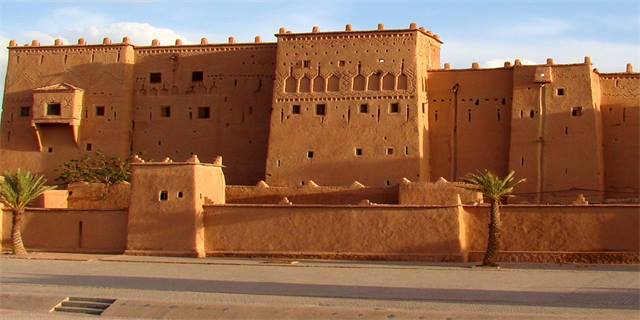
Discover mountain landscapes, Amazigh cultural heritage, and traditional village architecture.
Sahara Desert Tours
Experience desert scenery, oasis settlements, camel rides, and overnight desert camps.
Each itinerary can be adapted to your travel dates, interests, and accommodation preferences.
Plan Your Private Morocco Tour Common QuestionsFrequently Asked Questions About Moroccan Men
What is a man from Morocco called?A man from Morocco is called a Moroccan man. The term Moroccan describes nationality rather than one specific ethnicity or culture.
What do Moroccan men traditionally wear?Traditional Moroccan men’s clothing includes the djellaba, gandoura, jabador, and babouche slippers. Styles vary by region and occasion.
What languages do Moroccan men speak?Moroccan Arabic and Amazigh languages are widely spoken. French, Spanish, and English are also used by some Moroccans.
What religion do Moroccan men follow?Islam is the majority religion in Morocco. However, individual religious beliefs and practices vary.
What are Moroccan men’s cultural traditions?Traditions differ across communities. They may include regional clothing, music, food, family celebrations, and local hospitality customs.
Do Moroccan men wear modern clothes?Yes. Modern clothing is common in Morocco. Traditional garments are also worn, particularly during celebrations and certain cultural occasions.
What is everyday life like for Moroccan men?Daily life varies according to location, occupation, age, and personal circumstances. Moroccan men work in many different sectors and participate in diverse social activities.
How can tourists learn about Moroccan culture?Travelers can visit museums, historic medinas, cultural landmarks, and traditional workshops. A knowledgeable local guide can also provide useful context.
Travel ResourcesExplore More About Morocco
Continue discovering Morocco’s culture, traditions, destinations, and travel experiences.
Morocco Travel Packages Contact Package Morocco Moroccan National Tourism Office UNESCO Intangible Cultural Heritage Encyclopaedia Britannica: Morocco Travel With Package MoroccoDiscover Moroccan Culture With Local Experts
Explore Morocco’s historic cities, traditional communities, mountain landscapes, and Sahara Desert.
Contact Package Morocco to plan a personalized private journey based on your interests and travel dates.
Request Your Morocco Tour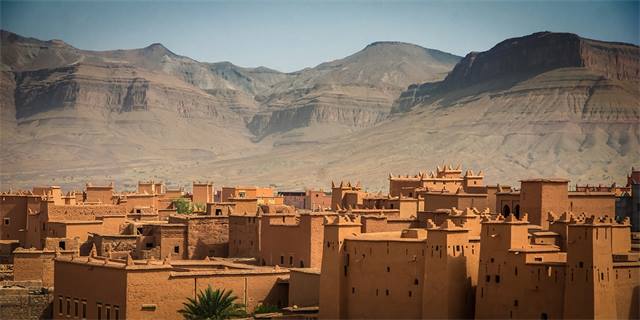


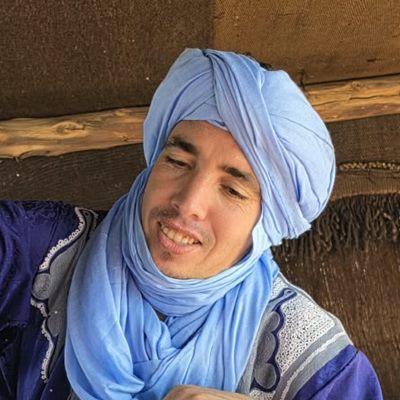 Addi
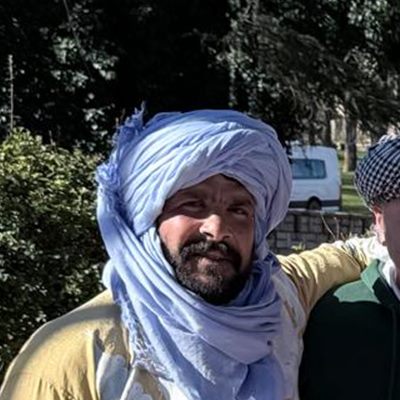 Saaid
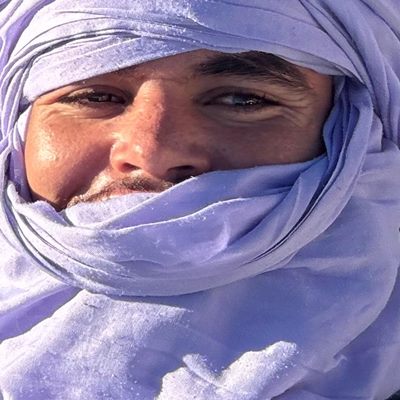 Mohamed
 Yousef
 Wrou
 Hassan